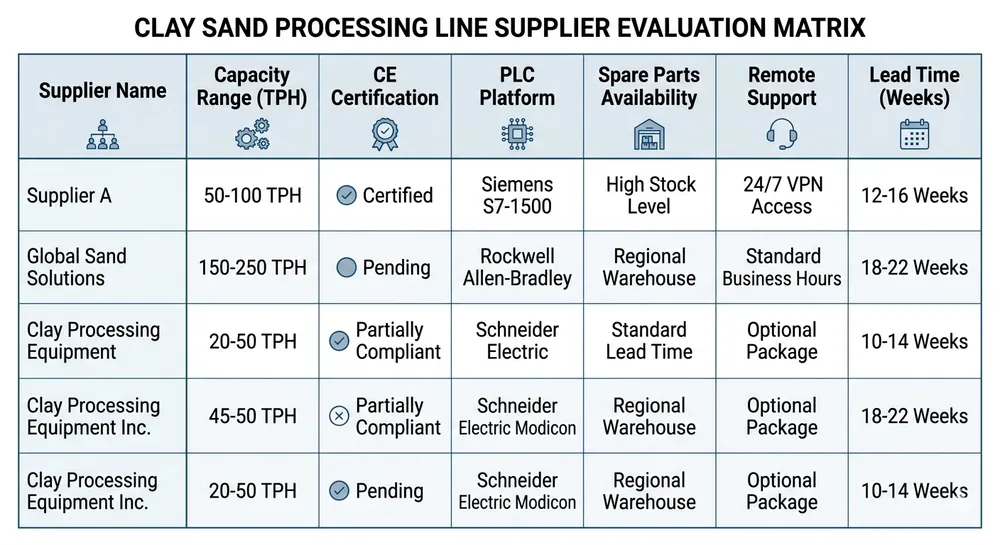
Germany's automotive and precision casting sectors run on tight tolerances and DIN compliance. When you're sourcing a clay sand processing line for a foundry that supplies BMW, Volkswagen, or Bosch, the equipment needs to hold ±0.5mm mold consistency across 200+ molds per hour. Your supplier choice determines whether your line delivers that spec or drifts after six months.
The German market offers two sourcing routes: domestic OEMs with decades of engineering heritage and CE-certified international manufacturers shipping modular systems at 30-50% lower landed cost. Both routes work — the right choice depends on your capacity requirements, budget constraints, and how you value local service versus factory-direct economics.
How to Evaluate Clay Sand Line Suppliers
Foundry equipment isn't office furniture. A clay sand processing line runs 16-hour shifts, processes 40-60 tons of sand daily, and any compaction pressure drift shows up as casting defects within hours. Your evaluation criteria should focus on operational reliability, not brochure promises.
Molds-per-hour capacity and cycle time consistency: A line rated for 150 molds/hour means nothing if it can't sustain that rate across a full shift. Ask for commissioning reports from similar installations showing actual cycle times under production load. We've seen lines drop from 180 molds/hour to 120 after three months because the hydraulic system couldn't maintain pressure under continuous operation.
Sand recovery rate and reclamation efficiency: Your sand cost per casting depends on how much virgin sand you're adding to replace losses. A reclamation system rated for 95% recovery should deliver that number consistently — not just during factory acceptance testing. Request test data from the supplier's sand lab showing recovery rates across different clay content levels (typically 6-10% bentonite).
CE marking and machinery directive compliance: If you're operating in the EU, CE certification isn't optional. But not all CE marks are equal — verify that the technical file includes risk assessments, EMC testing reports, and machinery directive documentation. We've commissioned lines where the "CE certification" was a self-declaration without third-party verification, which becomes your liability during a factory inspection.
PLC platform and HMI language options: Your maintenance team needs to troubleshoot sensor failures and adjust parameters without reading ladder logic. Siemens and Mitsubishi PLCs with German or English HMI interfaces are standard in European installations. Proprietary control systems lock you into the OEM's service network and make spare parts sourcing difficult.
Spare parts lead time and local inventory: A failed proximity sensor or solenoid valve shouldn't shut down your line for two weeks. Ask whether the supplier maintains European warehouse stock for consumables (hydraulic seals, sensors, I/O modules) or if every part ships from the factory. We typically recommend buyers stock a first-year spare parts kit covering the components most likely to fail under continuous operation.
Remote diagnostics and commissioning support: On-site commissioning by factory engineers adds €8,000-15,000 to your project cost. Remote commissioning via video call works if your installation team can read hydraulic schematics and wire control panels. The supplier should provide detailed commissioning manuals and real-time support during startup — not just ship the equipment and disappear.

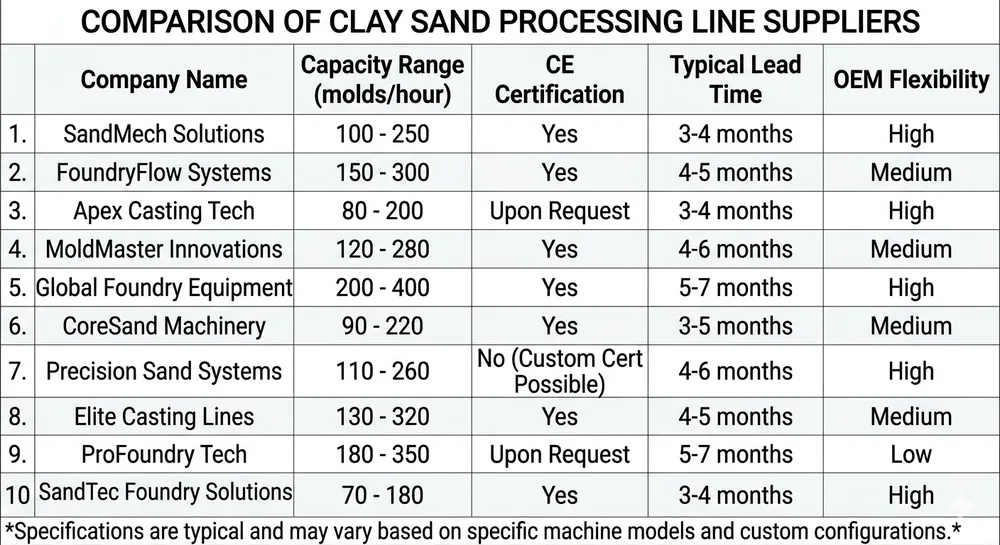
German Market Landscape: Domestic OEMs and International Manufacturers
The German foundry equipment market splits into two tiers: established domestic OEMs with 50+ years of engineering heritage, and CE-certified international manufacturers (primarily Chinese) offering modular systems at significantly lower landed cost. Both routes deliver functional production lines — the trade-off is between local service convenience and factory-direct economics.
Tier 1: German Engineering Houses
Heinrich Wagner Sinto (HWS) — German-Japanese joint venture combining Wagner's molding technology with Sinto's sand processing expertise. HWS supplies complete foundry systems to automotive tier-1 suppliers across Europe. Their flaskless molding lines run 250-400 molds/hour with integrated sand reclamation. Lead time typically 12-18 months for custom configurations. Strong local service network but premium pricing reflects the engineering overhead.
Küttner GmbH — Essen-based plant engineering firm specializing in complete foundry installations. Küttner designs turnkey clay sand systems for large-scale operations (500+ tons/day sand throughput). Their strength is process integration — connecting molding, pouring, cooling, and reclamation into a single automated line. Project timelines run 18-24 months. Best suited for greenfield foundry construction, less practical for capacity expansion projects with tight budgets.
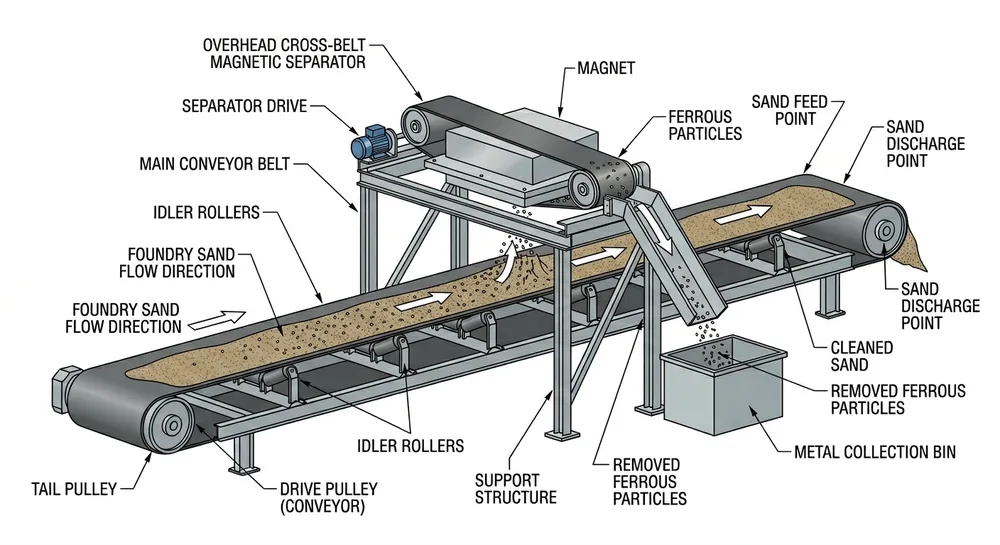
KLEIN Anlagenbau — Focuses on sand preparation and reclamation systems rather than complete molding lines. KLEIN's vibrating screens, magnetic separators, and pneumatic conveying systems integrate with existing foundry equipment. Modular approach allows phased capacity upgrades. Lead time 6-9 months for standard configurations. Good option if you're upgrading reclamation efficiency without replacing the entire molding line.
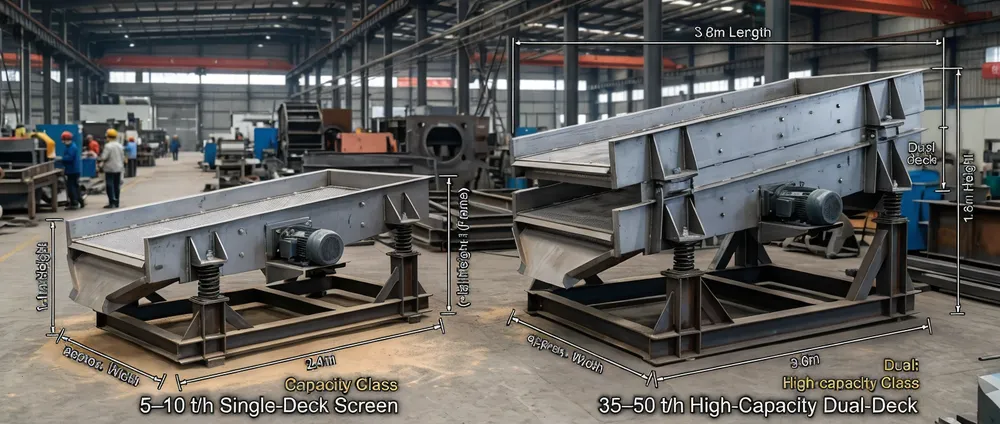
Künkel Wagner — Supplies sand mixers, molding machines, and material handling systems. Their continuous mixers handle 30-80 tons/hour sand throughput with consistent moisture and clay distribution. Künkel Wagner equipment appears in many mid-sized foundries across Germany and Central Europe. Lead time 8-12 months. Pricing sits between premium OEMs and international suppliers.
Webac Gesellschaft für Maschinenbau — Manufactures sand processing equipment including mixers, coolers, and reclamation plants. Webac's strength is custom engineering for specific casting processes — they'll design a sand preparation line around your alloy composition and mold complexity. Lead time 10-14 months. Service network concentrated in Germany and neighboring countries.
Tier 2: International Manufacturers with CE Certification
DISA / Norican Group — Danish manufacturer with major presence in Germany. DISA's DISAMATIC vertical flaskless molding lines are industry standard for high-volume production (200-550 molds/hour). Their sand plant systems integrate with the molding line for closed-loop reclamation. Premium pricing similar to German OEMs but with broader global service network. Lead time 12-16 months.
Loramendi (Mondragon Group) — Spanish manufacturer active in the German market. Loramendi supplies horizontal and vertical molding lines plus sand preparation systems. Their equipment targets mid-range capacity (80-200 molds/hour) at more accessible pricing than German OEMs. CE certified with German-language documentation. Lead time 10-12 months.
BMD Badische Maschinenfabrik Durlach — German manufacturer of sand mixers and material handling equipment. BMD's continuous mixers serve foundries requiring 20-50 tons/hour sand throughput. Their equipment integrates with various molding line brands. Lead time 6-8 months for standard models.
Eirich — German specialist in mixing technology. While not a complete line supplier, Eirich's intensive mixers are used in many clay sand preparation systems for their ability to achieve uniform clay distribution. Their R-series mixers handle 500-3000 liter batches. Lead time 4-6 months. Often specified as a component within larger foundry systems.
Laempe — German foundry equipment manufacturer supplying molding machines, sand mixers, and core making equipment. Laempe serves small to mid-sized foundries with capacity requirements under 100 molds/hour. Lead time 8-10 months. Pricing more accessible than tier-1 OEMs.
The Local Service Premium: What You're Paying For
German OEMs charge 30-50% more than CE-certified Chinese manufacturers for equivalent capacity. That premium buys you three things: faster emergency response, local spare parts inventory, and familiar communication. Whether those benefits justify the cost depends on your operation's risk tolerance and maintenance capabilities.
Emergency service response: A German OEM can put an engineer on your factory floor within 24-48 hours when a critical component fails. That responsiveness matters if downtime costs you €5,000-10,000 per day in lost production. International suppliers typically provide remote diagnostics first, then ship parts or dispatch engineers if remote troubleshooting doesn't resolve the issue. Response time stretches to 5-7 days for parts shipment, longer if an on-site visit is needed.
Spare parts availability: German suppliers maintain warehouse stock in Europe for common consumables — hydraulic seals, proximity sensors, solenoid valves, PLC I/O modules. You can receive parts within 2-3 days. International suppliers ship most parts from the factory, which adds 7-14 days to your lead time. The workaround: stock a comprehensive spare parts kit when you commission the line. We typically recommend a first-year kit covering all high-wear components, which costs 3-5% of the equipment price but eliminates the lead time risk.
Communication and documentation: Working with a German supplier means German-language documentation, phone support during European business hours, and engineers who understand DIN standards without explanation. International suppliers provide English documentation (sometimes German translation available) and support via email or video call with time zone coordination. The communication gap is real but manageable if your team has basic English capability and can work from technical drawings.
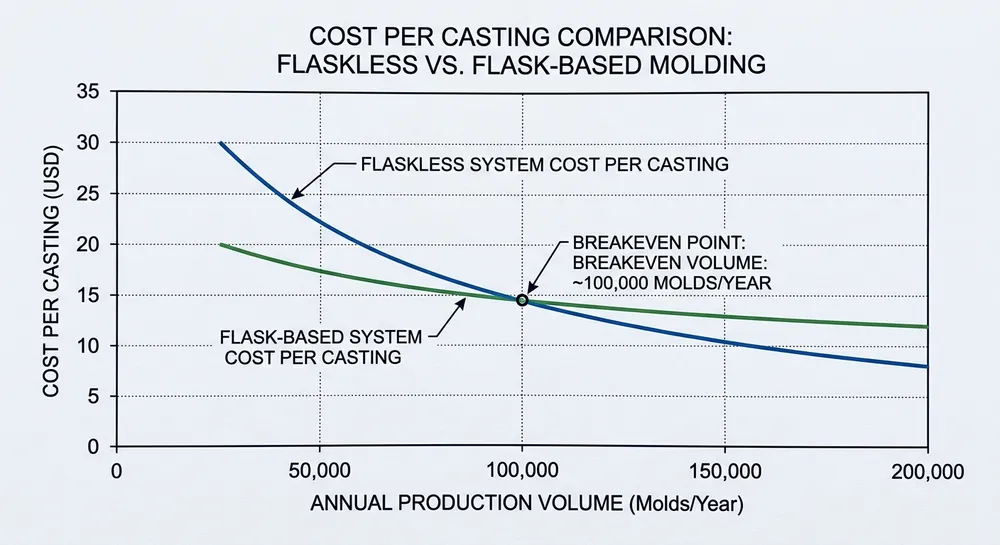
The honest assessment: if you're running a high-volume automotive foundry where every hour of downtime triggers penalty clauses with your customers, the local service premium makes sense. If you're operating a job shop foundry with buffer capacity and in-house maintenance capability, factory-direct sourcing from a CE-certified international manufacturer delivers better economics.
Factory-Direct Alternative: CE-Certified Chinese Manufacturers
Chinese foundry equipment manufacturers have moved beyond low-cost commodity machines. The top-tier suppliers now hold CE certification, use Siemens or Mitsubishi PLCs, and ship modular systems designed for container optimization. The landed cost advantage is 30-50% versus German OEMs, but you're trading local service convenience for factory-direct economics.
CE certification and European compliance: Not all Chinese manufacturers hold legitimate CE certification. Verify that the supplier maintains a technical file with risk assessments, EMC testing reports, and machinery directive compliance documentation. Self-declared CE marks without third-party verification create liability during factory inspections. We've commissioned lines across four continents — the suppliers who invest in proper CE certification typically demonstrate better overall quality control.
Modular design for container shipping: A 15-ton clay sand processing line needs to fit into 2-3 × 40HQ containers to keep freight costs reasonable. Chinese manufacturers design equipment frames to maximize container utilization — structural components break down into sections that fit 12.03m × 2.35m × 2.69m dimensions without wasted space. German OEMs sometimes ship equipment as oversized cargo, which adds 20-30% to your freight cost.
PLC platform and HMI compatibility: Siemens or Mitsubishi PLC options with German/English HMI interfaces align with European maintenance standards. Your electricians can troubleshoot sensor failures and adjust parameters using the same tools they use for other factory equipment. Avoid suppliers offering only proprietary control systems — you'll be locked into their service network for any programming changes.
Remote commissioning and video support: On-site commissioning by Chinese engineers costs €12,000-18,000 (flights, accommodation, daily rates for 2-3 weeks). Remote commissioning via video call eliminates that cost if your installation team can follow hydraulic schematics and wire control panels. The supplier should provide detailed commissioning manuals, parameter settings for your specific casting process, and real-time video support during startup. We've commissioned equipment in 14 countries this way — it works when both sides prepare properly.
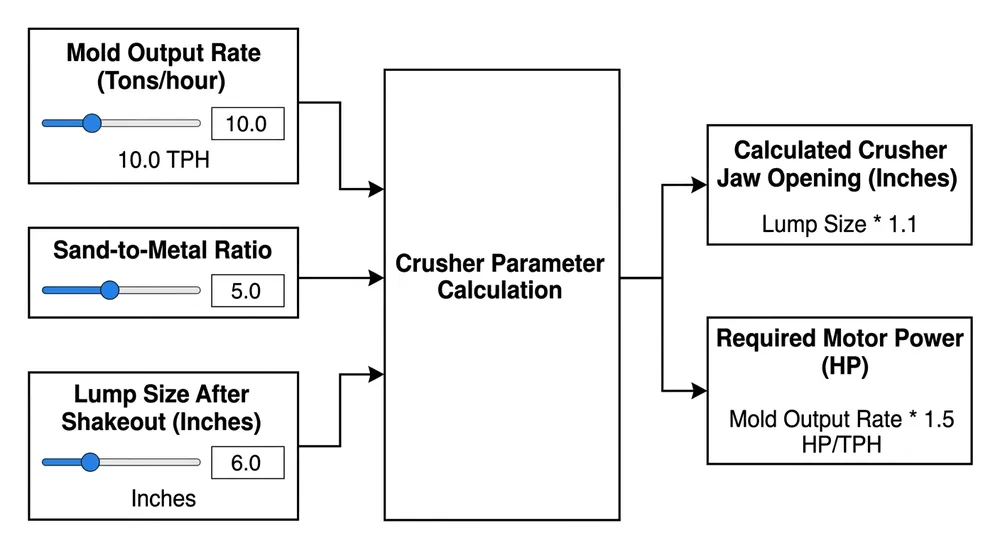
Sand reclamation test data: Request performance data from the supplier's sand lab showing recovery rates for your specific sand composition. A reclamation system rated for 95% recovery should deliver that number with your clay content, not just with the supplier's test sand. We run sample batches through crushing, screening, and magnetic separation before shipment to verify equipment performance with the customer's actual sand mix.
TZFoundry's Approach: Modular Systems with European Standards
We manufacture clay sand processing lines at our 15,000 m² facility in Qingdao, shipping complete systems to foundries across North America, Europe, the Middle East, and Southeast Asia. Our lines hold CE certification and ship in 2-3 × 40HQ containers, making landed cost competitive against German OEMs while meeting European machinery directive requirements.
Capacity range and configuration flexibility: Our standard clay sand molding line configurations run 80-200 molds/hour, with custom designs available for higher throughput. The molding press, sand mixer, reclamation system, and material handling equipment ship as modular sections that bolt together on your factory floor. We design the frame geometry to fit your available ceiling height (standard 8 meters, but we've configured lines for 6-meter facilities) and floor loading limits.
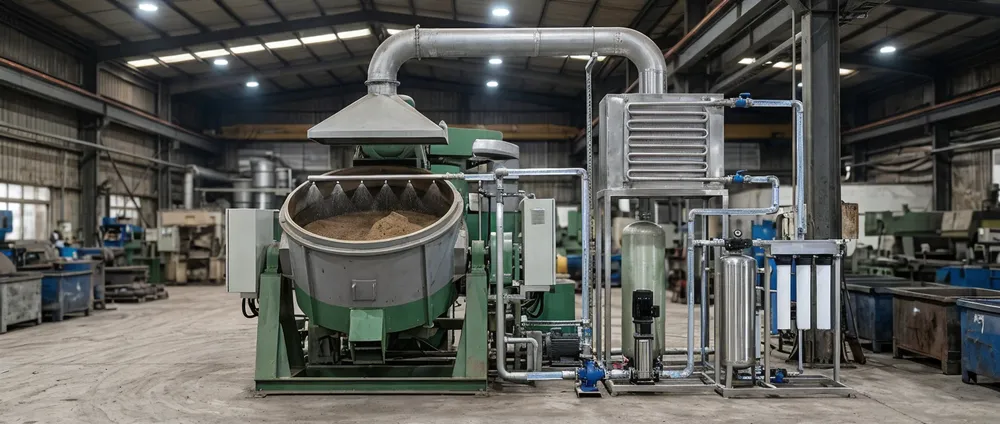
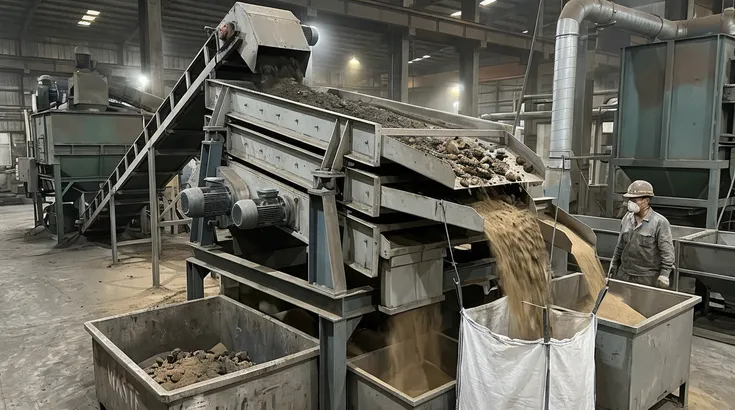
Sand reclamation performance: Our clay sand reclamation line uses vibrating screens, magnetic separators, and pneumatic conveying to achieve 95% sand recovery with 6-10% bentonite content. Before shipment, we run your sand composition through the reclamation system in our test lab and provide the actual recovery data from your specific equipment. That's not a spec sheet number — it's measured performance from the line you're receiving.
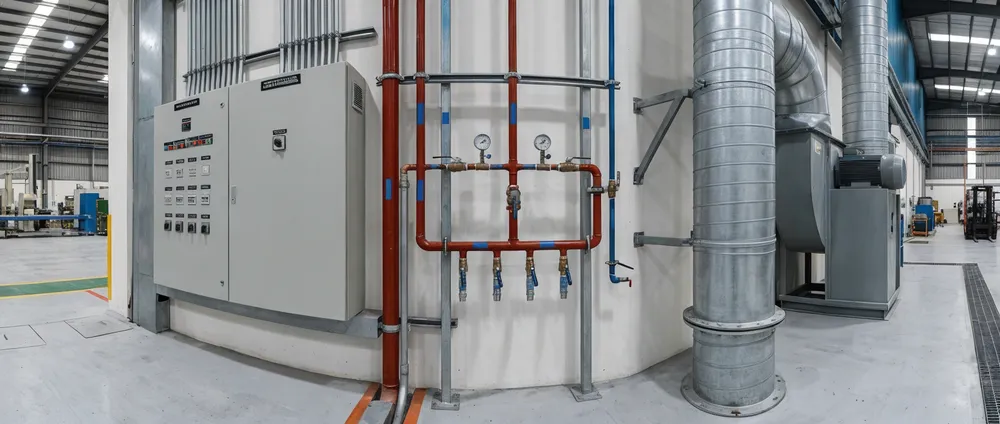
Siemens PLC with German/English HMI: Control systems use Siemens S7-1200 or Mitsubishi FX5U PLCs (your choice) with touchscreen HMI in German, English, Spanish, or Arabic. Remote diagnostics run through 4G modules, so your maintenance team can pull error logs and adjust compaction pressure, mixer speed, or conveyor timing without flying an engineer to the site. The diagnostic interface shows real-time sensor status, hydraulic pressure readings, and cycle time data.
Container-optimized shipping and remote commissioning: A complete clay sand processing line (molding, mixing, reclamation, material handling) ships in 2-3 × 40HQ containers depending on capacity. We design structural frames to maximize container utilization — no oversized cargo surcharges. Remote commissioning via video call eliminates the €12,000-18,000 cost of on-site Chinese engineers. Your installation team follows our commissioning manual to connect hydraulic lines, wire control panels, and run initial test cycles while our engineers provide real-time guidance.
First-year spare parts kit and European logistics: Every line ships with a spare parts kit covering the consumables you'll need for the first year: hydraulic seals, proximity sensors, solenoid valves, PLC I/O modules. We maintain relationships with European distributors for Siemens and Mitsubishi components, so your second-year parts can source locally if needed. For custom components (mold plates, hydraulic cylinders, mixer blades), we ship from Qingdao with 7-10 day lead time.
Import Logistics: Incoterms, Duties, and Container Planning
Importing a 15-ton clay sand processing line from China involves more than just comparing FOB prices. Your landed cost includes freight, insurance, customs duties, and port handling. Understanding these components helps you compare factory-direct quotes against German OEM pricing accurately.
Incoterms and cost responsibility: Most Chinese suppliers quote FOB (Free On Board) Qingdao, meaning you arrange and pay for ocean freight, insurance, and import duties. Some suppliers offer CIF (Cost, Insurance, Freight) to your destination port, which simplifies logistics but gives you less control over the freight forwarder. We typically recommend FOB with your own freight forwarder if you're importing regularly — you'll get better rates and more reliable service.
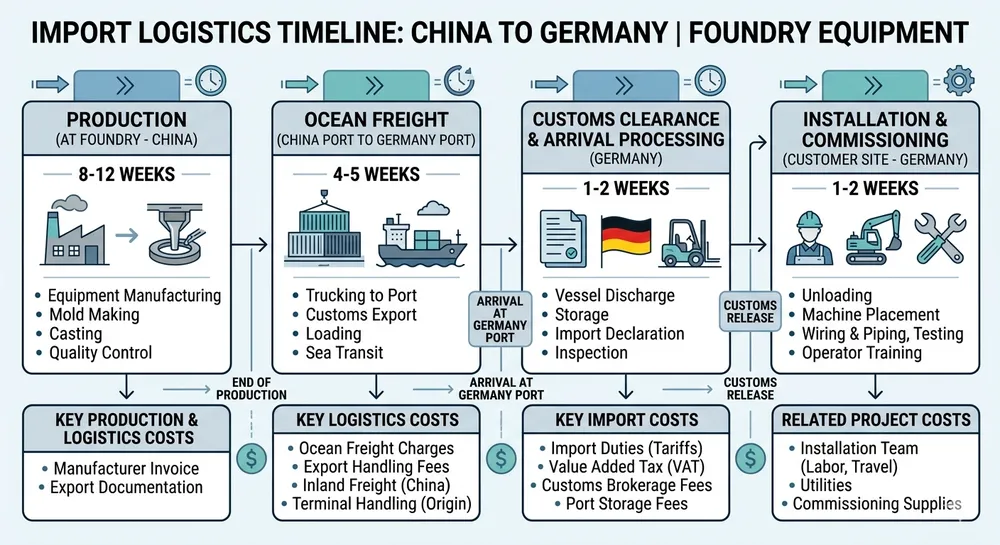
EU customs duties on foundry machinery: Clay sand processing equipment falls under HS code 8474 (machinery for sorting, screening, mixing, or molding mineral substances). EU import duty is 0-2.7% depending on specific equipment classification. VAT applies at your country's standard rate (19% in Germany) but is recoverable if you're VAT-registered. The real cost is customs clearance fees (€200-500) and port handling charges (€800-1,500 per container).
Container optimization and freight cost: A 40HQ container (12.03m × 2.35m × 2.69m internal dimensions) costs €4,000-6,000 for ocean freight from Qingdao to Hamburg, depending on season and carrier. A complete clay sand line typically requires 2-3 containers, so your freight cost is €8,000-18,000. Air freight isn't practical for foundry equipment — the weight and dimensions make it prohibitively expensive.
Lead time from order to commissioning: Factory production takes 8-12 weeks depending on configuration complexity. Ocean freight adds 4-5 weeks (Qingdao to Hamburg). Customs clearance and inland transport to your facility add another 1-2 weeks. Remote commissioning takes 1-2 weeks once the equipment is installed. Total timeline: 14-20 weeks from deposit to production-ready line. German OEMs typically quote 24-52 weeks, so the time advantage partially offsets the logistics complexity.
When to Choose Local vs. Factory-Direct
The right sourcing route depends on your production volume, maintenance capabilities, and risk tolerance. Neither option is universally better — the decision comes down to which trade-offs align with your operational priorities.
Choose a German OEM when:
- You're running high-volume automotive production where every hour of downtime triggers penalty clauses with customers
- Your maintenance team lacks experience with foundry equipment and needs hands-on local support
- You're operating under tight compliance timelines where CE certification must be verified by German authorities before production starts
- Your project budget can absorb the 30-50% premium for local service convenience
- You need custom engineering integration with existing foundry systems (pouring lines, cooling conveyors, shakeout equipment)
Choose factory-direct from a CE-certified Chinese manufacturer when:
- You're expanding capacity and need to protect margin on the equipment investment
- Your maintenance team has in-house hydraulic and electrical capability to handle routine troubleshooting
- You can stock a comprehensive spare parts kit to eliminate lead time risk for consumables
- Your production schedule allows 14-20 weeks from order to commissioning
- You're comfortable with remote commissioning support via video call and detailed technical documentation
The middle ground: some buyers source the core molding and reclamation equipment factory-direct, then purchase sand mixers and material handling components from German suppliers. This hybrid approach balances cost savings on the high-value equipment with local service for the auxiliary systems.
Sourcing Decision Framework
Before requesting quotes, define your requirements clearly. Suppliers can't provide accurate pricing or lead times without understanding your casting process, capacity targets, and facility constraints.
Casting alloy and mold complexity: Gray iron, ductile iron, and steel castings require different compaction pressures and sand properties. A line configured for gray iron (lower compaction pressure, simpler mold geometry) won't perform well if you later switch to ductile iron production. Specify your primary alloy and any secondary alloys you plan to run.
Target mold rate and shift pattern: A line rated for 150 molds/hour running 8-hour shifts delivers different annual capacity than the same line running 16-hour shifts. Specify your target molds per hour and expected operating hours per day. This determines hydraulic system sizing, cooling requirements, and maintenance intervals.
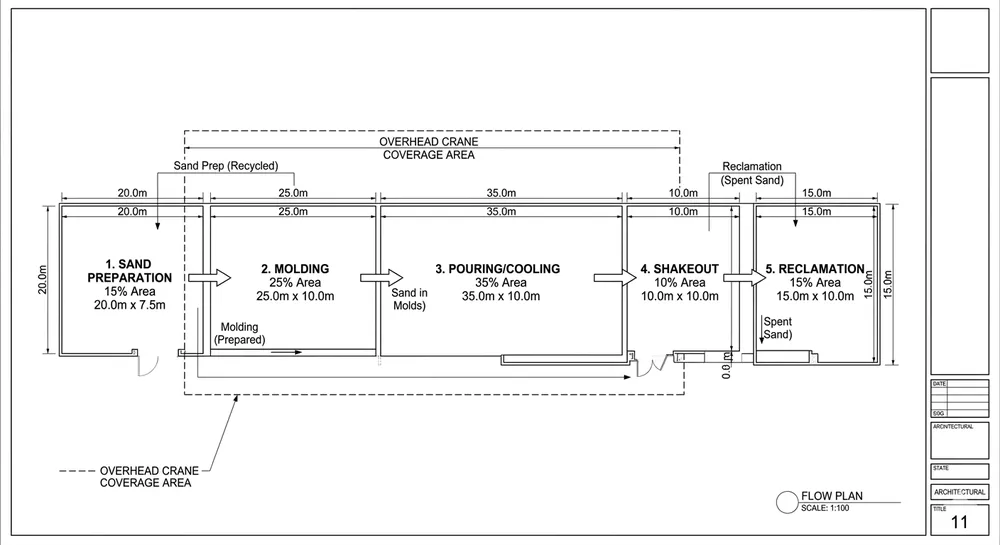
Available floor space and ceiling height: Clay sand processing lines need 200-400 m² floor space depending on capacity, plus clearance for material handling equipment. Ceiling height affects whether you can use vertical sand storage silos or need horizontal conveying systems. Provide a facility layout drawing showing available space, floor loading limits, and overhead crane coverage.
Sand composition and reclamation targets: Your current sand mix (bentonite content, moisture level, grain size distribution) determines reclamation system configuration. If you're targeting 95% sand recovery to minimize virgin sand consumption, the supplier needs to design the screening, magnetic separation, and cooling systems accordingly.
Electrical supply and control system preferences: Specify your facility's electrical supply (400V 3-phase 50Hz is standard in Europe) and whether you have preferences for PLC platform (Siemens, Mitsubishi, Allen-Bradley). If your maintenance team already works with Siemens PLCs across the factory, standardizing on the same platform simplifies training and spare parts inventory.
Send this information to 3-4 suppliers (mix of German OEMs and CE-certified international manufacturers) and request detailed quotations including equipment specifications, commissioning support, spare parts recommendations, and payment terms. Compare the quotes on total landed cost, not just FOB price — freight, duties, and commissioning can add 20-30% to the base equipment cost.
Technical Due Diligence Before Signing
Once you've narrowed to 2-3 suppliers, conduct technical due diligence before signing the purchase order. Foundry equipment is a 10-15 year investment — spending two weeks on verification now prevents years of operational headaches.
Request reference installations: Ask for contact information for 2-3 customers running similar capacity lines in similar casting applications. Call them directly (not through the supplier) and ask about actual cycle times, maintenance requirements, spare parts lead times, and how the supplier handled any commissioning issues. If a supplier won't provide references, that's a red flag.
Review technical documentation: Request preliminary drawings showing equipment layout, hydraulic schematics, electrical diagrams, and PLC I/O lists. A professional supplier will provide these during the quotation phase. Review the drawings with your maintenance team to verify that the equipment fits your facility and uses components your team can service.
Verify CE certification legitimacy: For suppliers claiming CE certification, request a copy of the Declaration of Conformity and ask which Notified Body (if any) was involved in the certification process. Self-declared CE marks are legal for some machinery categories but carry more risk. Third-party certification from TÜV, SGS, or similar bodies provides stronger assurance.
Clarify commissioning and training scope: Understand exactly what's included in the commissioning process. Does the supplier provide on-site engineers or remote support? How many days of training for your operators and maintenance team? What documentation is provided (operation manuals, maintenance schedules, spare parts catalogs)? Get this in writing before signing.
Define warranty terms and spare parts pricing: Standard warranty is typically 12 months from commissioning. Clarify what's covered (defective components, labor for repairs, travel costs for service engineers) and what's excluded (wear parts, damage from improper operation). Request a spare parts price list for common consumables so you can budget for ongoing maintenance costs.
If you're evaluating our equipment, we provide factory acceptance testing where you (or your representative) can visit our Qingdao facility to inspect the line before shipment. We'll run the equipment through complete cycles, demonstrate the control system, and verify performance against the specifications in your purchase order. Most European buyers combine the factory visit with a trip to see reference installations at other foundries in China.
Next Steps: Getting a Factory-Direct Quotation
Send us your casting alloy, target mold rate (molds per hour), available floor space dimensions, and ceiling height. We'll provide a detailed quotation including equipment specifications, container shipping plan, remote commissioning timeline, and first-year spare parts recommendations.
Our OEM & ODM services cover custom capacity configurations, integration with existing foundry equipment, and control system programming for your specific casting process. If you're running ductile iron with 3-5 minute shakeout times, we'll adjust conveyor speeds and cooling zone lengths accordingly.
Request a Quote with your project requirements, or send technical drawings of your facility layout to sales@tzfoundry.com. We'll respond within 24 hours with preliminary equipment recommendations and budget pricing.

Baocun Zhu is the Senior Clay Sand Process Engineer at TZFoundry in Qingdao. With over 14 years commissioning clay sand molding, reclamation, and preparation lines for export foundries, he turns floor-space constraints and throughput targets into working production systems. His...