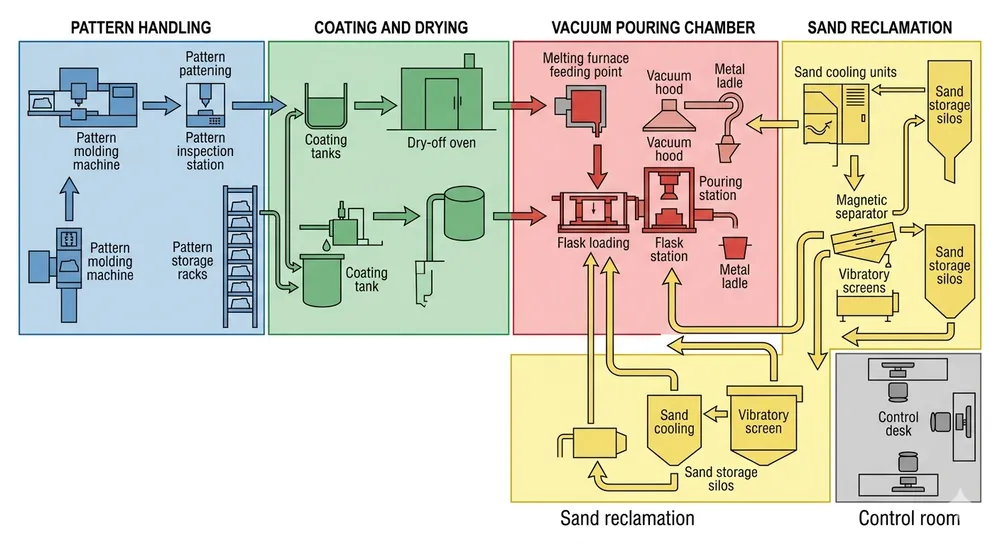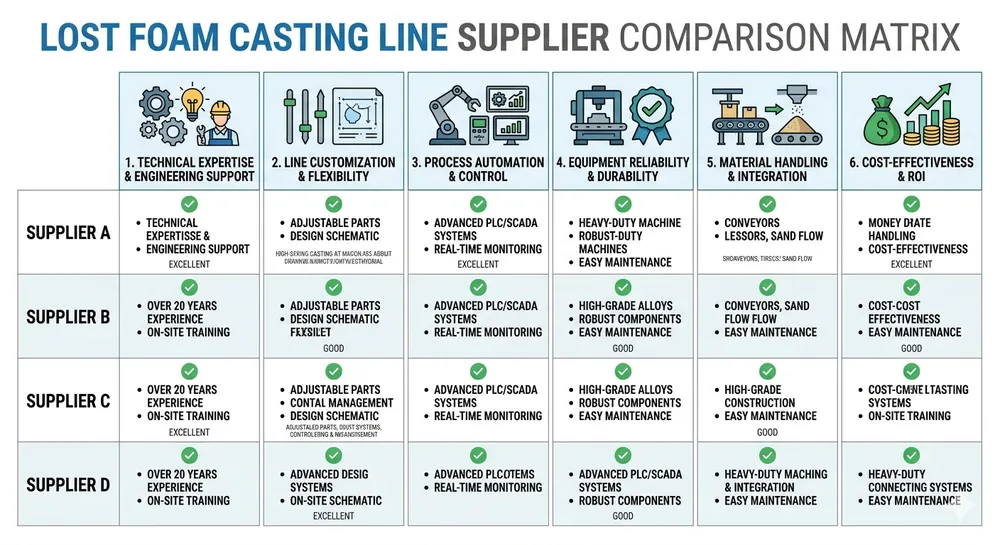
Sourcing a complete lost foam casting production line in the US market is harder than buying individual machines. Most domestic suppliers are integrators or resellers, not manufacturers — they source components from multiple vendors, mark up assembly, and add 8-12 week lead times for coordination. If you're screening suppliers for a turnkey line (vacuum chamber, coating system, pattern handling, and control integration), you need to understand who actually builds the equipment versus who brokers it.
This guide evaluates 10 suppliers serving the US foundry market, explains the evaluation criteria that matter for production line procurement, and shows where factory-direct sourcing changes the landed cost equation.
How to Evaluate Lost Foam Casting Line Suppliers
Before comparing supplier names, understand what separates a reliable production line vendor from a component reseller. These six criteria determine whether your line ships on schedule and runs at rated capacity:
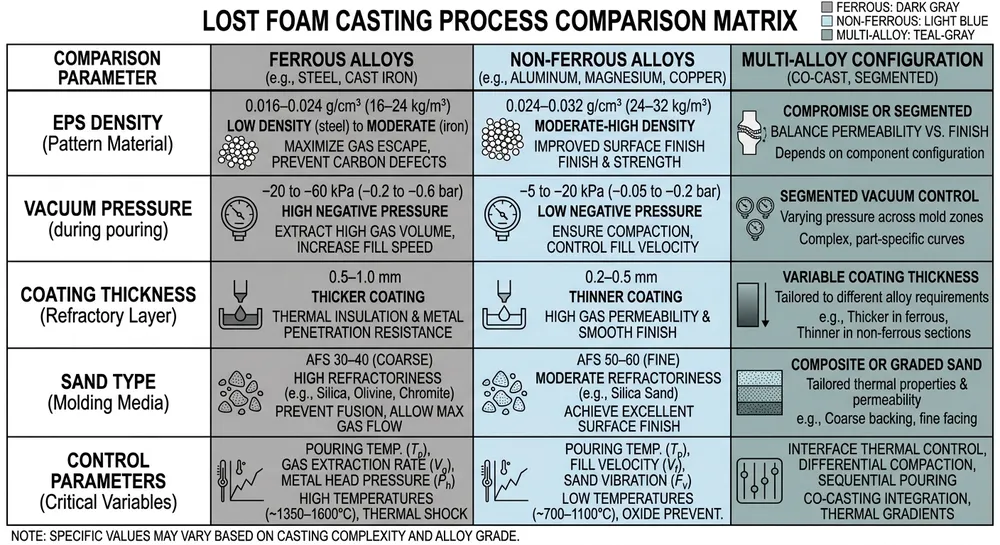
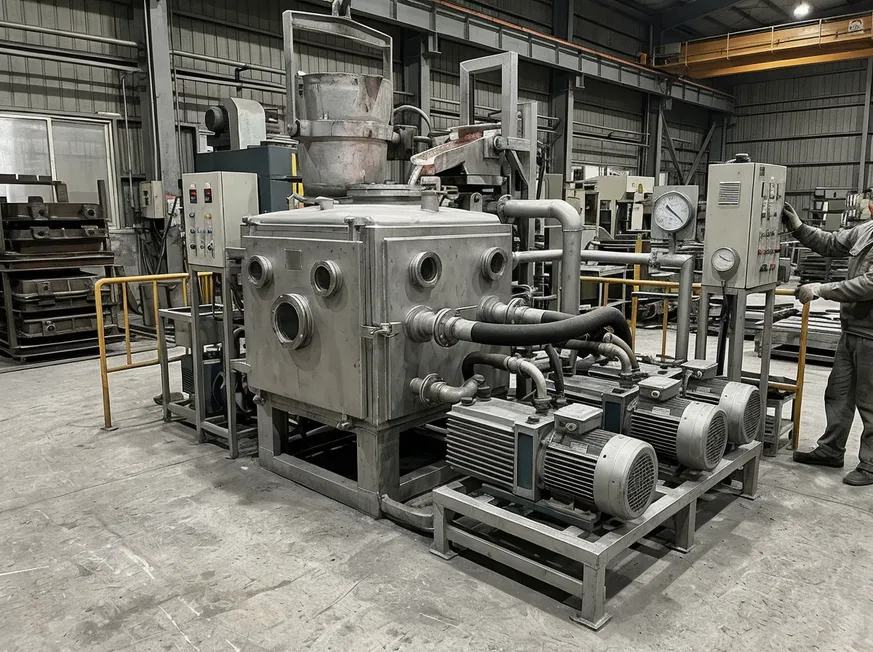
Vacuum system specifications — Chamber size, vacuum pump capacity (CFM rating), and achievable vacuum pressure (typically 0.02-0.05 MPa for ferrous castings). Undersized vacuum systems cause incomplete metal fill and porosity. Ask for pump brand (Busch, Becker, or equivalent) and whether the chamber design handles your largest pattern dimensions with 100mm clearance on all sides.
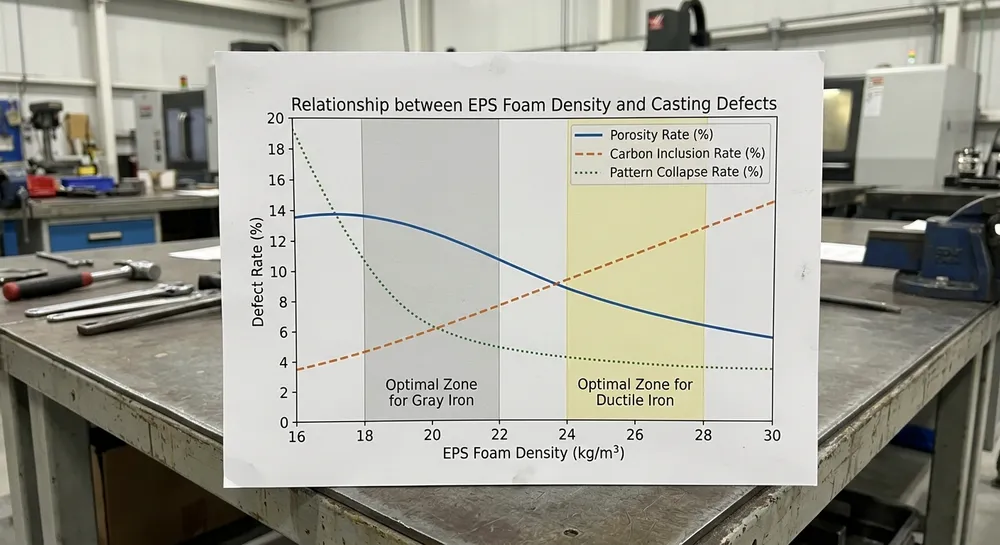
EPS density range — Standard lost foam equipment handles 20-24 kg/m³ bead density. If you're casting thin-wall ductile iron or aluminum with complex geometry, you need coating systems that work across 18-28 kg/m³. Most suppliers won't modify their standard spec — this becomes a problem when your pattern supplier changes bead grades.
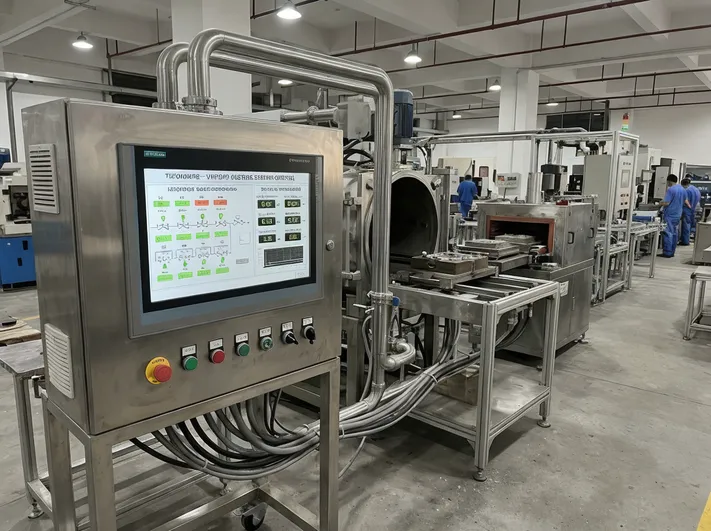
Control system brand and programming access — Siemens, Mitsubishi, or Allen-Bradley PLCs with HMI touchscreens in English. Verify that you get source code access and programming manuals, not locked firmware. Remote diagnostics capability (4G module or Ethernet gateway) matters when your line stops at 2 AM and the supplier's service team is 12 time zones away.
Turnkey installation vs. component supply — Does the supplier deliver a tested, commissioned production line, or do they ship crated equipment and leave integration to your maintenance team? Turnkey means they run test castings at their facility before shipment and provide commissioning support (on-site or remote). Component supply means you're the systems integrator.
Spare parts inventory and lead time — Hydraulic seals, proximity sensors, solenoid valves, and PLC I/O modules fail first. Ask where spare parts ship from and what the replenishment lead time is. If critical components come from Europe or Asia with 6-8 week lead times, factor that into your downtime risk.
After-sales support structure — Phone support during your production shift, video-call troubleshooting capability, and whether they maintain service technicians in North America. A supplier with no US-based service staff means you're paying travel costs and waiting 3-5 days for an engineer to clear customs every time you need on-site support.

10 Lost Foam Casting Production Line Suppliers Serving the US Market
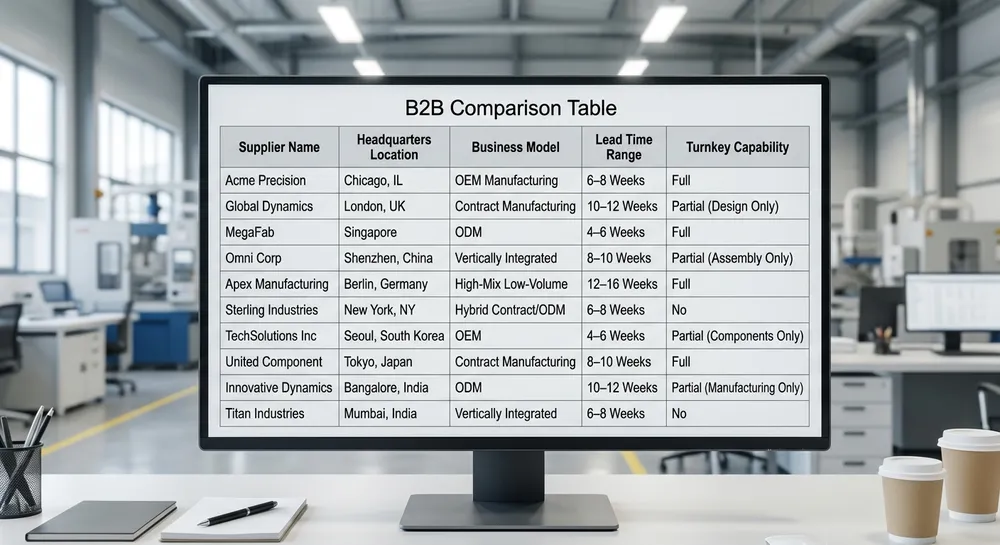
This list includes equipment manufacturers, systems integrators, and foundry automation specialists that supply complete or partial lost foam casting lines to US foundries. Suppliers are grouped by business model rather than ranked — your best choice depends on order volume, customization needs, and whether you value local service over landed cost.
1. Inductotherm Group (New Jersey, USA)
Inductotherm manufactures melting and pouring equipment for foundries, including induction furnaces used in lost foam casting operations. They're a US-based manufacturer with global reach, strong in melting systems but typically partner with other suppliers for complete line integration. If you're upgrading melting capacity within an existing lost foam line, they're a direct source. For turnkey production lines, they'll coordinate with third-party equipment vendors.
Strengths: US manufacturing, established service network, strong melting equipment portfolio. Limitations: Not a complete lost foam line manufacturer — you'll work with multiple vendors for vacuum systems and pattern handling.
2. General Kinematics (Illinois, USA)
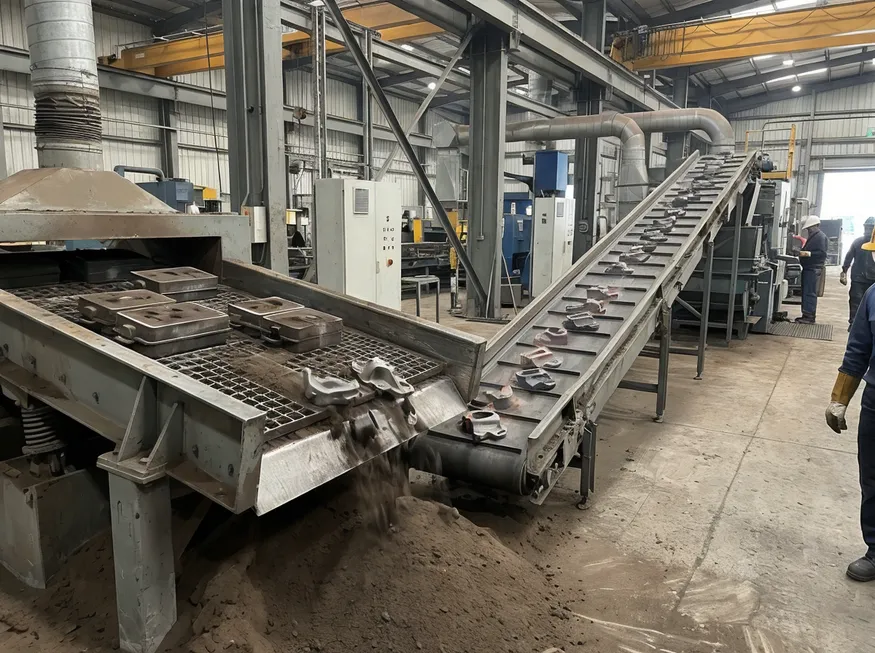
General Kinematics builds vibratory equipment for foundries — shakeout systems, sand handling, and cooling conveyors. They supply components that integrate into lost foam lines (particularly post-casting material handling) but don't manufacture vacuum chambers or coating systems. If you're building a line from multiple suppliers, they're a reliable source for the material handling sections.
Strengths: US-based manufacturing, proven vibratory technology, good for shakeout and conveyor systems. Limitations: Component supplier, not a turnkey lost foam line provider.
3. Hunter Automated Machinery Corporation (Iowa, USA)
Hunter manufactures molding machines and foundry automation equipment. They have experience with various casting processes and can integrate lost foam systems into automated production lines. Their strength is in automation and control system integration rather than lost foam-specific equipment design.
Strengths: Automation expertise, US-based engineering and service. Limitations: Lost foam is not their primary focus — expect longer engineering lead times for custom configurations.
4. Palmer Manufacturing & Supply (Michigan, USA)
Palmer supplies foundry equipment and consumables to the North American market. They function primarily as a distributor and integrator, sourcing equipment from multiple manufacturers and coordinating installation. Useful for smaller foundries that need a single point of contact but don't require deep process engineering support.
Strengths: Local presence, handles logistics and coordination, familiar with US foundry requirements. Limitations: Reseller model means markup on equipment and longer lead times for coordination.
5. Omega Sinto Foundry Machinery (Illinois, USA)
Omega Sinto is the US subsidiary of Sintokogio (Japan), a major foundry equipment manufacturer. They supply sand processing systems, molding equipment, and some casting automation. Their lost foam capabilities come through their parent company's technology, with US-based sales and service support.
Strengths: Backed by Japanese manufacturing, US service network, experience with automated foundry systems. Limitations: Equipment ships from Japan — expect 12-16 week lead times and ocean freight costs.
6. Disa Industries (Part of Norican Group, US Operations)
Disa manufactures molding equipment and foundry automation systems, with US operations supporting North American customers. They're known for high-volume automated molding lines. Lost foam is a smaller part of their portfolio compared to green sand and resin sand systems.
Strengths: Global manufacturer with US support, strong automation capabilities. Limitations: Lost foam is not their core focus — limited customization for EPS-specific process requirements.
7. Loramendi (Spanish Manufacturer, US Distribution)
Loramendi manufactures molding machines and foundry equipment in Spain, with distribution partners in the US. They have lost foam casting experience, particularly for larger castings. Equipment ships from Europe, with US distributors handling sales and coordination.
Strengths: European engineering, experience with large-scale lost foam applications. Limitations: Long lead times (16-20 weeks including ocean freight), limited US-based service staff.
8. ASK Chemicals (Ohio, USA)
ASK Chemicals supplies foundry chemicals, coatings, and binders — including lost foam coatings. They don't manufacture production line equipment but are a critical supplier for the coating systems that integrate into lost foam lines. If you're sourcing a line from multiple vendors, ASK provides the coating materials and application process support.
Strengths: US-based, deep coating chemistry expertise, technical support for coating application. Limitations: Not an equipment manufacturer — you'll need separate suppliers for vacuum chambers and pattern handling.
9. Simpson Technologies (Ohio, USA)
Simpson manufactures core-making equipment, sand processing systems, and foundry automation. They have experience integrating various casting processes, including lost foam, into automated production environments. Their focus is on sand handling and core production rather than lost foam-specific vacuum systems.
Strengths: US manufacturing, strong in sand processing and automation. Limitations: Lost foam vacuum and coating systems are not their primary product line.
10. Vulcan Engineering (Pennsylvania, USA)
Vulcan Engineering supplies foundry equipment and engineering services to the US market. They function as a systems integrator, sourcing equipment from multiple manufacturers and coordinating installation. Useful for foundries that need turnkey project management but don't require direct manufacturer pricing.
Strengths: US-based project management, handles multi-vendor coordination. Limitations: Integrator model adds markup and coordination time — expect 10-15% premium over direct sourcing.
The Real Cost of Domestic Convenience
Local suppliers offer advantages that matter for certain procurement scenarios: faster communication, easier site visits, familiar payment terms, and the perception of lower risk. For urgent replacement equipment or small add-on components, domestic sourcing makes sense — you're paying a premium for speed and convenience.
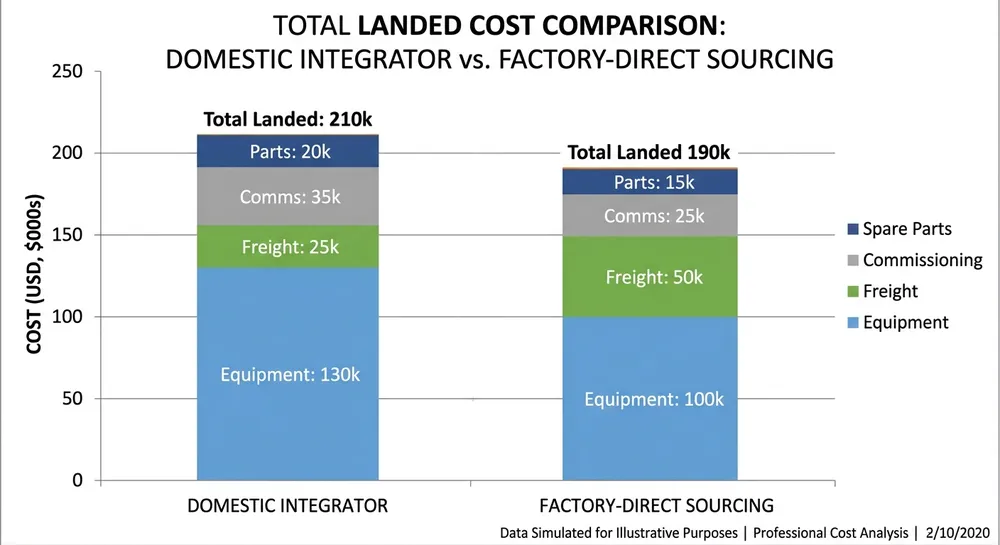
But for complete production line procurement, the convenience premium compounds across every component. Here's what that looks like in real numbers:
Equipment markup — Integrators and distributors typically add 15-25% to manufacturer pricing to cover coordination, project management, and margin. On a $300,000 lost foam line, that's $45,000-$75,000 before you've added any value to your casting operation.
Assembly and commissioning fees — Domestic integrators often charge separately for installation, with on-site commissioning running $8,000-$15,000 depending on line complexity and travel requirements. Factory-direct suppliers typically include remote commissioning in the equipment price.
Spare parts inventory — US-based suppliers maintain limited spare parts inventory for specialized equipment like lost foam vacuum systems. When a critical component fails, you're waiting for the supplier to order from their upstream manufacturer — often the same Asian or European factory that could have shipped directly to you in the first place.
Lead time reality — Domestic integrators quote 10-14 weeks, but that's coordination time, not manufacturing time. The equipment still ships from overseas factories in most cases — you're just paying the integrator to manage the logistics instead of handling it yourself.
The trade-off makes sense when you need hand-holding or when your order is too small to justify direct manufacturer engagement. It stops making sense when you're buying a complete production line and have the internal capability to manage installation with remote support.
Factory-Direct Alternative: What Changes When You Source from the Manufacturer
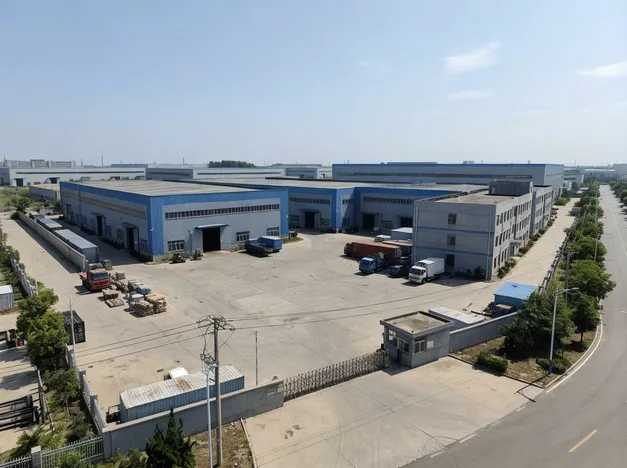
We manufacture complete lost foam casting production lines at our 15,000 m² facility in Qingdao — vacuum chambers, coating systems, pattern handling equipment, and integrated PLC controls. Since 2010, we've shipped turnkey lines to foundries in 14 countries, including installations in North America that run cast iron, ductile iron, and aluminum alloys.
Here's what changes when you source factory-direct instead of through a US integrator:
Manufacturer pricing without distributor markup — You're buying at the same price a US integrator pays, minus their 15-25% margin. On a $300,000 line, that's $45,000-$75,000 that stays in your budget for additional capacity or spare parts inventory.
Modular design optimized for container shipping — Our production lines break down into sections that fit 40HQ containers (12.03m × 2.35m × 2.69m) without wasted space. A complete line typically ships in 2-3 containers depending on capacity. We've been doing this since 2015 — the frame geometry, hydraulic routing, and electrical panel placement are designed for knock-down shipping and field assembly. Domestic suppliers often charge premium assembly fees because their equipment wasn't designed to ship efficiently.
Remote commissioning proven across 14 countries — Your installation team connects hydraulic lines, wires control panels, and runs initial test cycles while our engineer guides them via video call. We provide hydraulic schematics, electrical drawings, and PLC programming documentation in English. This works as long as your team can read technical drawings and use a multimeter. We've commissioned lines in Mexico, Brazil, Turkey, and Southeast Asia this way — the process is proven. You avoid the $8,000-$15,000 on-site commissioning fee that domestic integrators charge.
First-year spare parts kit included — Every line ships with hydraulic seals, proximity sensors, solenoid valves, and PLC I/O modules — the consumables you'll need for the first year of operation. Domestic suppliers charge separately for spare parts kits, often at 20-30% markup over component cost.
Custom EPS density handling (18-28 kg/m³) — Our coating systems handle bead densities from 18 to 28 kg/m³ instead of the industry-standard 20-24 kg/m³ range. We modified the spray nozzle geometry and drying zone length in 2018 after a Turkish foundry needed to switch pattern suppliers mid-project. Most domestic integrators won't customize standard equipment specs — they're coordinating vendors, not engineering production lines.
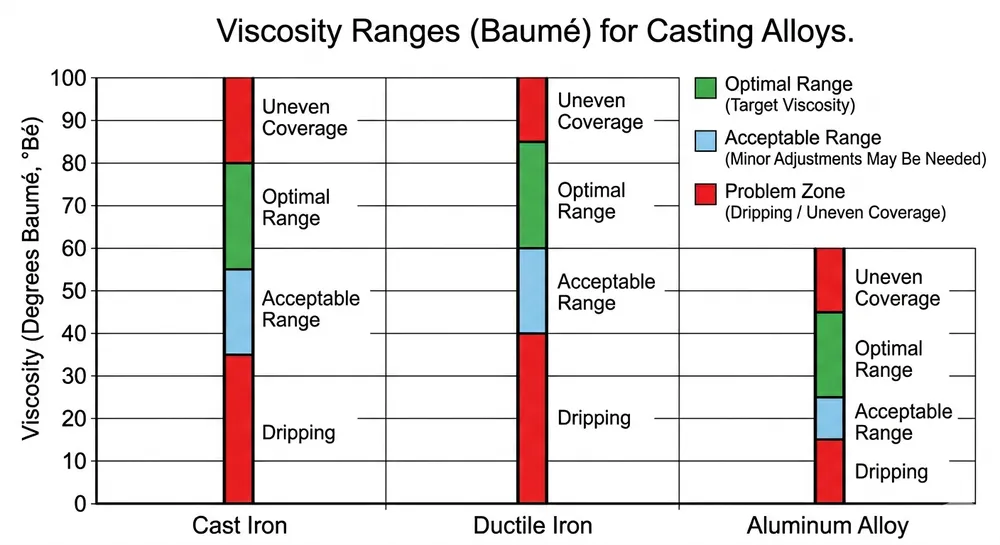
ISO 9001:2015 + CE certified with pre-shipment testing — Every line runs through commissioning at our facility before crating. We test vacuum pressure, coating thickness consistency, and control system operation, then document the results in a commissioning report specific to your equipment. You're not receiving untested components that need field integration — you're receiving a production line that's already been proven at rated capacity.
The trade-off: you're managing ocean freight logistics and customs clearance instead of paying a domestic integrator to handle it. If your procurement team has experience with imported capital equipment, this is straightforward. If you've never cleared a 40HQ container through US customs, the learning curve adds 2-3 weeks to your timeline while you work with a freight forwarder.
Our vacuum casting production line configurations range from 50 to 300 molds per hour depending on casting size and cycle time requirements. We use Siemens or Mitsubishi PLCs (your choice) with English-language HMI interfaces and provide source code access for future modifications.
When to Choose Domestic Supply vs. Factory-Direct Import
The right sourcing route depends on your order characteristics, internal capabilities, and cost sensitivity. Here's how to decide:
Choose a domestic integrator when:
- You're buying a single piece of replacement equipment (vacuum pump, coating booth) and need it operational within 4-6 weeks
- Your procurement team has no experience with imported capital equipment and doesn't want to learn customs clearance procedures
- You need on-site commissioning support and your maintenance team can't follow remote video-call instructions
- Your project budget includes a 20-25% premium for local convenience and you value having a US phone number to call when issues arise
Choose factory-direct sourcing when:
- You're buying a complete production line ($200,000+) and the 15-25% integrator markup represents real money
- Your procurement team has experience clearing imported equipment through customs or is willing to work with a freight forwarder
- Your maintenance staff can read hydraulic schematics and electrical drawings — they don't need hand-holding during installation
- You want custom configurations (non-standard EPS density range, specific PLC brand, modified vacuum chamber dimensions) that domestic integrators won't engineer
- You're cost-sensitive and need to protect margin on your casting operations — every dollar saved on equipment cost improves your cost-per-part economics
The decision isn't about domestic vs. overseas — it's about whether you're paying for convenience you don't need. If you have the internal capability to manage installation with remote support, the integrator markup is pure waste. If you don't, the premium buys you peace of mind.
Key Questions to Ask Any Supplier Before Signing a PO
These seven questions separate reliable suppliers from vendors who over-promise and under-deliver:
- Who manufactures the equipment? — If the supplier is an integrator, ask for the manufacturer's name and facility location. Verify that the manufacturer has ISO 9001 certification and can provide mill test certificates for structural steel components.
- What vacuum pump brand and CFM rating? — Busch, Becker, or equivalent with documented CFM capacity. Undersized pumps cause porosity and incomplete fill. Ask for pump performance curves at your target vacuum pressure (typically 0.02-0.05 MPa for ferrous castings).
- What PLC brand and do I get source code access? — Siemens, Mitsubishi, or Allen-Bradley with unlocked programming. If the supplier locks the PLC code, you can't modify cycle times or add sensors without paying them for every change.
- Where do spare parts ship from and what's the lead time? — If critical components come from overseas with 6-8 week lead times, you're risking extended downtime. Ask for a spare parts list with part numbers and lead times for the top 20 consumable components.
- What's included in commissioning support? — On-site visit, remote video call, or just a phone number? How many hours of support are included in the equipment price, and what's the hourly rate for additional support?
- Can I see a commissioning report from a previous installation? — Reliable suppliers test equipment at rated capacity before shipment and document the results. If they can't show you a commissioning report, they're shipping untested equipment.
- What's the warranty structure and who handles warranty claims? — 12-month warranty is standard for foundry equipment. Ask who pays for return shipping if a component fails under warranty, and whether warranty covers labor costs or just parts replacement.
If a supplier can't answer these questions with specific data, keep looking. You're buying a production asset that needs to run at rated capacity for 10+ years — vague answers during procurement turn into expensive problems during operation.
Sourcing Decision Framework
US foundries buying lost foam casting production lines face a choice between domestic integrators (faster communication, higher cost) and factory-direct manufacturers (lower landed cost, requires more internal coordination). Neither route is universally better — the right choice depends on your order size, internal capabilities, and cost sensitivity.
Domestic integrators make sense for small orders, urgent timelines, or buyers who need hand-holding during installation. Factory-direct sourcing makes sense for complete production lines where the 15-25% integrator markup represents real money and your team can manage installation with remote support.
We manufacture complete lost foam casting lines at our ISO 9001-certified facility in Qingdao — vacuum chambers, coating systems, pattern handling, and integrated controls. Our lines ship in container-optimized modules with remote commissioning support and included spare parts kits. If you're evaluating suppliers and want to compare factory-direct pricing against domestic integrator quotes, send us your casting alloy, target output rate (molds/hour), available floor space, and ceiling height. Our engineering team will return a production line proposal with detailed specifications and factory pricing within 48 hours.
For custom configurations or technical questions about EPS density handling, vacuum system sizing, or control system integration, our OEM & ODM services team can adapt standard production lines to your facility requirements. We've engineered lines for 6-meter ceiling heights (standard design assumes 8 meters) and modified coating systems for 18-28 kg/m³ EPS density ranges when buyers needed flexibility for multiple pattern suppliers.

Zhang Peng leads lost foam casting systems at TZFoundry, where he has spent over 12 years engineering vacuum casting lines, coating systems, and foam pattern equipment for export foundries. He specializes in defect prevention and yield optimization across cast iron...