Most lost foam casting defects don't start in the casting chamber. They start at the purchase order stage when buyers skip verification steps that would have caught mismatched specs, incomplete documentation, or equipment that can't handle their actual production requirements.
I've commissioned lost foam lines remotely in 14 countries. The buyers who avoid expensive surprises are the ones who verify specific parameters before the deposit clears, not after the containers arrive. This checklist covers the 12 verification points that separate a smooth installation from a six-month troubleshooting cycle.
1. Vacuum System Pressure Range and Leak Rate
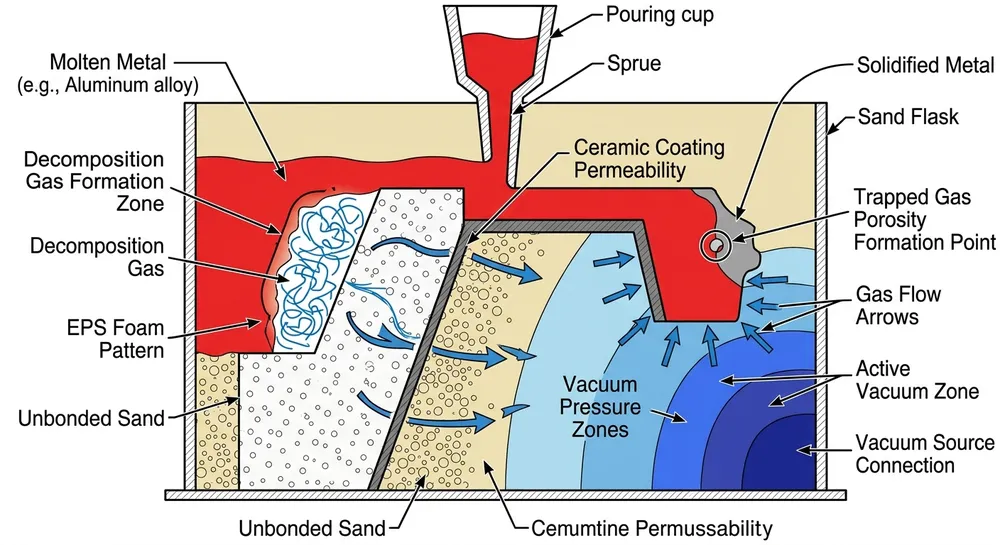
Your vacuum system needs to pull and hold specific pressure levels for the alloys you're casting. For gray iron and ductile iron, you need -0.04 to -0.06 MPa sustained vacuum. Aluminum requires tighter control at -0.05 to -0.08 MPa because gas porosity shows up faster.
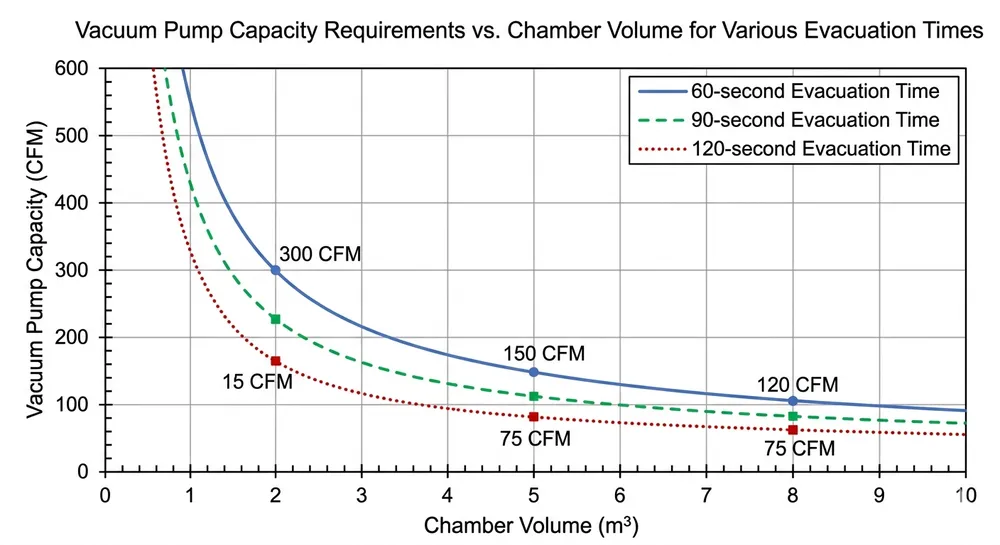
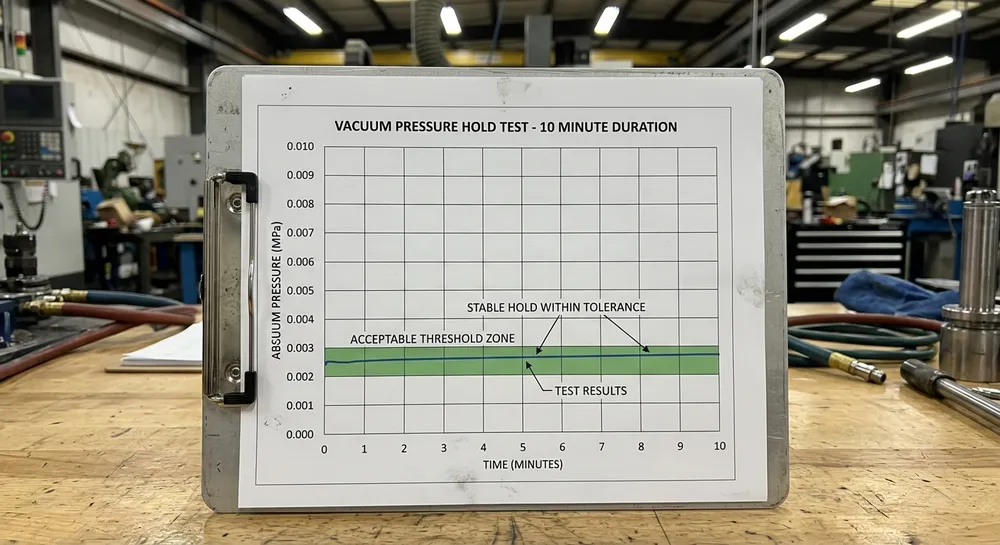
Ask the supplier for the vacuum pump's rated capacity in m³/h and the chamber's leak rate specification. A production-grade system should hold vacuum drop below 5% over 10 minutes with the chamber sealed. If the supplier can't provide leak rate data, that's a red flag — it means they're not testing systems before shipment.
We run every vacuum chamber through a 30-minute hold test and include the pressure curve in the commissioning report. You should demand the same from any supplier you're evaluating.

2. EPS Pattern Density Compatibility Range
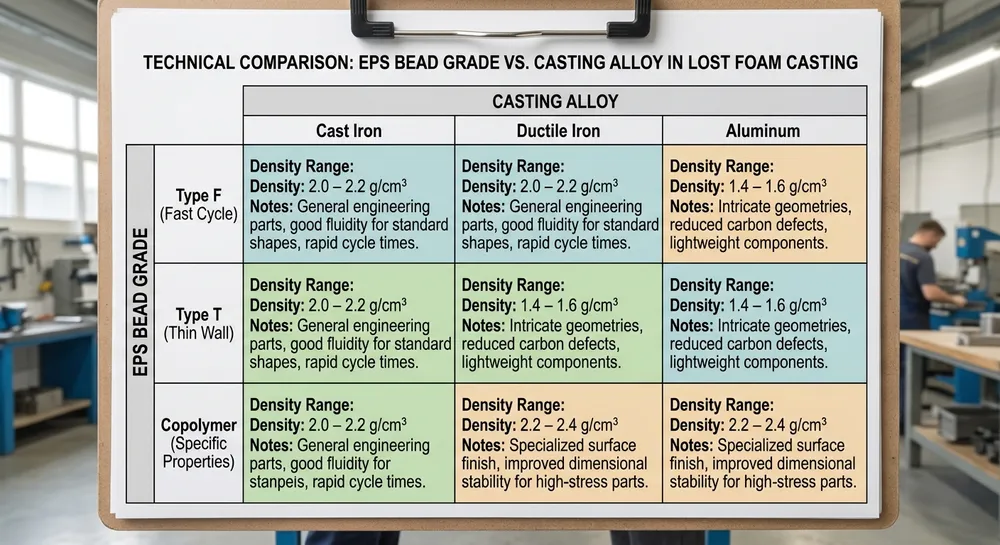
Lost foam equipment needs to handle the EPS bead density range your patterns require. Standard automotive and machinery castings use 18-22 kg/m³ density foam. Complex thin-wall castings need denser foam at 24-28 kg/m³ for better dimensional stability.
Verify that the coating equipment and pattern handling system can process your density range without adjustment. Some coating dip tanks are calibrated for narrow density windows — if your patterns fall outside that range, the coating thickness becomes inconsistent and you'll see carbon defects in the castings.
The pattern handling conveyors also matter. Low-density foam (below 20 kg/m³) is fragile and needs gentler handling with wider support surfaces. Ask for the conveyor belt material spec and support spacing.
3. Coating System Capacity and Drying Time
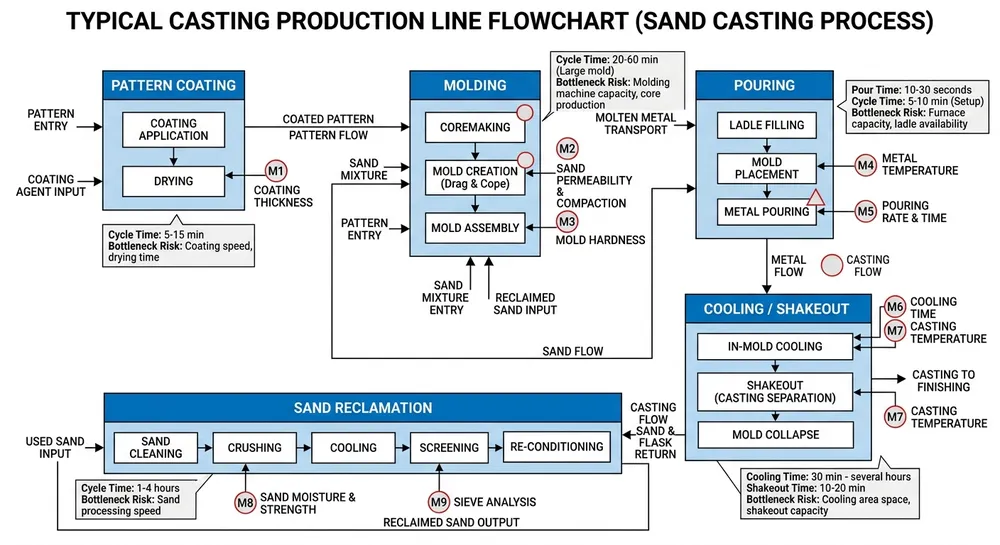
Your coating line needs to match your production volume, not just your peak capacity. Calculate your daily pattern throughput, then verify the coating tank capacity and drying chamber cycle time.
A 500-liter coating tank with a 4-pattern-per-minute dip rate sounds adequate until you factor in the 2-4 hour drying time per batch. If your drying chamber only holds 50 patterns, you're bottlenecked at the dryer, not the dip tank.
Ask for the complete coating cycle specification: dip time, drain time, drying temperature range, and drying chamber capacity. We've seen buyers order coating systems that could dip 200 patterns per hour but only dry 40 patterns per hour. The line sat idle 75% of the time.
4. Modular Breakdown Dimensions for Container Shipping
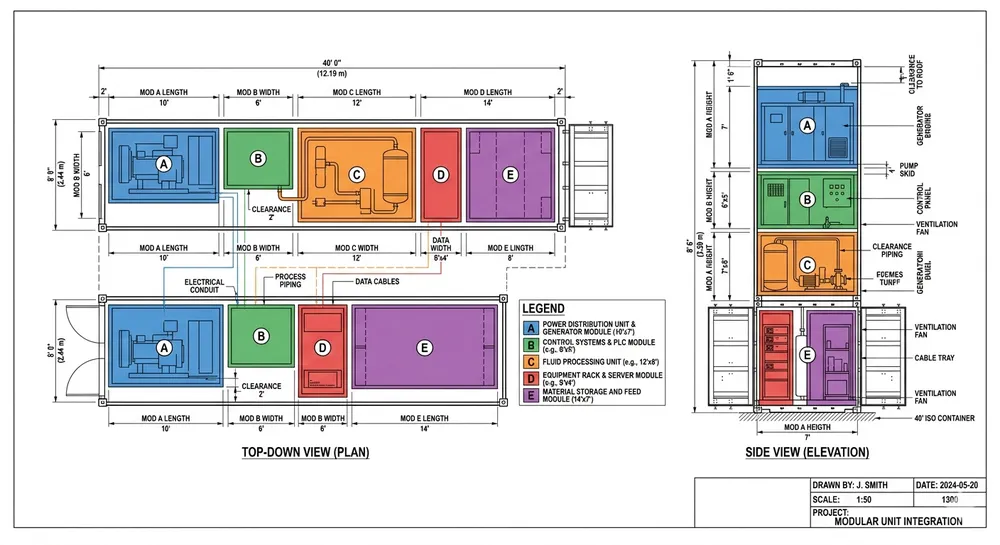
Lost foam production lines ship in modules, and those modules need to fit standard container dimensions. A 40-foot high-cube container is 12.03m long × 2.35m wide × 2.69m high internally. If any module exceeds those dimensions, you're paying for break-bulk shipping or custom crating.
Request the modular breakdown drawing with dimensions for every major component: vacuum chamber base, coating tank frame, pattern conveyor sections, sand reclamation unit. Verify that the heaviest module doesn't exceed your port's crane capacity (usually 25-30 tons for standard container terminals).
We design our vacuum chambers to split into three modules, each under 2.3m width. That keeps shipping costs predictable and eliminates the need for special handling at most ports.
5. PLC Control System Brand and Programming Access
The PLC controls your vacuum timing, coating dip cycles, and sand reclamation sequences. You need to know the brand, model, and whether you'll have programming access for adjustments.
Siemens, Mitsubishi, and Omron are standard industrial PLCs with global support networks. If the supplier uses a proprietary or regional-only PLC brand, you'll struggle to find technicians who can troubleshoot it. Ask for the PLC model number and confirm that replacement modules are available in your region.
Also verify whether the supplier provides the PLC program source code or just a locked runtime. Locked programs mean you can't adjust timing parameters without calling the supplier every time. We provide full source code and a parameter adjustment guide so your team can optimize cycle times after commissioning.
6. Sand Reclamation System Throughput and Dust Control
Your sand reclamation system needs to process the sand volume your casting line generates, plus handle the dust from burned foam residue. A 500 kg/hour casting line produces roughly 400 kg/hour of sand that needs reclamation.
Ask for the reclamation system's rated throughput in kg/hour and the dust collection system's air volume in m³/h. Undersized dust collectors create a health hazard and contaminate the reclaimed sand with fine carbon particles.
The reclamation system should include magnetic separation for ferrous contamination and screening for oversized debris. Request the screen mesh size specification — 20-40 mesh is standard for lost foam sand reclamation.
7. Electrical Specifications and Voltage Compatibility
Lost foam equipment runs on three-phase power, but voltage and frequency vary by region. North America uses 480V/60Hz, Europe uses 400V/50Hz, and some Middle East countries use 380V/50Hz.
Verify that the equipment is built for your local voltage and frequency, not just fitted with a transformer. Transformers add cost, create a failure point, and reduce motor efficiency. The motor nameplates should match your local standard.
Also check the total connected load in kW. Your facility needs adequate electrical capacity, and you'll need this number for your electrician to size the supply circuit and breakers. A typical 500 kg/hour lost foam line draws 80-120 kW total connected load.
8. Spare Parts Kit Contents and Lead Time
Equipment breaks. The question is whether you have the parts on hand to fix it in hours instead of weeks. Request a recommended spare parts list with part numbers and unit prices.
Critical spares for lost foam lines include: vacuum pump vanes or rotors, coating pump seals, PLC input/output modules, proximity sensors, and conveyor drive belts. These are the components that fail most often in the first two years.
Also ask for the lead time to ship additional spare parts after installation. If the supplier quotes 8-12 weeks for a vacuum pump rebuild kit, you need to stock that part locally. We ship a starter spare parts kit with every line that covers the first year of operation.
9. Commissioning Support Method and Duration
Commissioning is where equipment specs meet your actual production conditions. You need to know whether the supplier sends a technician on-site, provides remote video support, or just ships a manual.
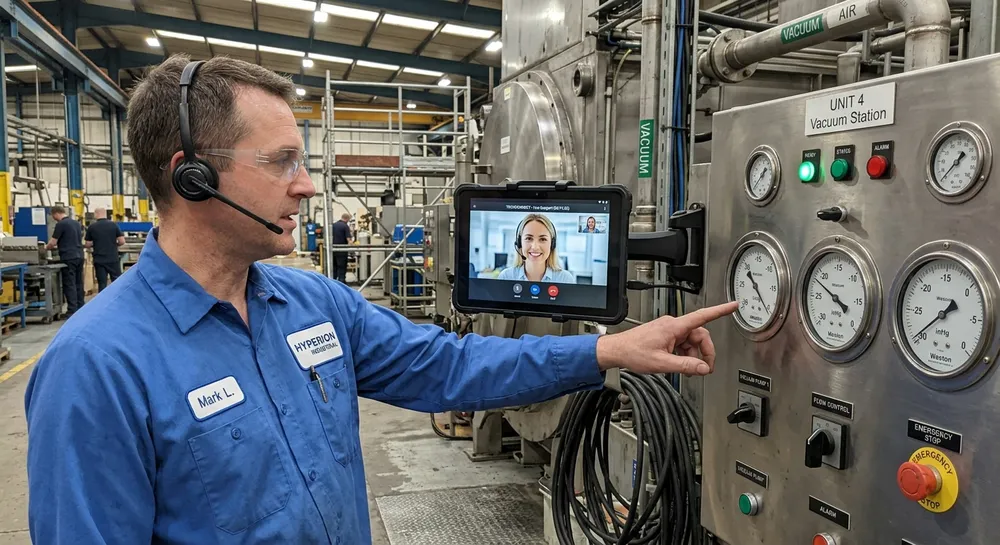
On-site commissioning is ideal but expensive for international orders. Remote commissioning via video call works if the supplier has done it before and your team can follow technical instructions. Pure manual-based commissioning rarely succeeds for complex equipment.
Ask for the commissioning timeline in days and what's included: mechanical installation guidance, electrical connection verification, PLC parameter setup, trial casting runs, and operator training. A complete lost foam line commissioning typically takes 5-7 days on-site or 10-14 days remote.
We've commissioned 40+ lines remotely using 4G video modules mounted on the equipment. Your installation team follows our technician's instructions in real-time, and we can see the vacuum gauges and PLC screen through the camera.
10. Quality Certifications and Inspection Reports
ISO 9001:2015 certification means the supplier has documented quality processes. CE marking is required for equipment sold into Europe. SGS or TUV inspection reports provide third-party verification of build quality.
Request copies of current certifications — not expired ones from five years ago. Also ask whether the supplier provides equipment-specific test reports: vacuum chamber pressure test, coating tank capacity verification, electrical safety test, and dimensional inspection.
We include a commissioning report with every line that documents the actual test results from your specific equipment, not generic spec sheets. That report becomes your baseline for future maintenance and troubleshooting.
11. Warranty Terms and Exclusions
Standard warranty for industrial casting equipment is 12 months from commissioning date or 18 months from shipment date, whichever comes first. Read the exclusions carefully — most warranties don't cover wear parts like pump vanes, seals, and belts.
Also check whether the warranty covers labor and shipping for replacement parts, or just the parts themselves. International shipping for a 50 kg vacuum pump can cost more than the pump.
Ask about extended warranty options and what they cost. A second-year warranty extension typically adds 3-5% to the equipment price but can be worth it if you're running high-volume production.
12. Post-Sale Technical Support Availability
Equipment problems don't respect business hours or time zones. You need to know how to reach technical support when your vacuum system loses pressure at 2 AM or your coating line stops mid-batch.
Ask for the support contact methods (phone, email, WhatsApp, WeChat), response time commitment, and whether support is available in your language. Also verify the time zone coverage — a supplier in China with 9-5 support hours can't help a North American buyer during their production shift.
We provide WhatsApp and email support with 4-hour response time during business hours and 24-hour response for urgent production-down issues. Our technical team includes English-speaking engineers who've commissioned equipment in your region and understand the common installation challenges.
Verification Checklist Summary
Print this list and use it during supplier evaluation calls:
- [ ] Vacuum system pressure range and leak rate specification
- [ ] EPS pattern density compatibility (18-28 kg/m³ range)
- [ ] Coating system capacity and complete drying cycle time
- [ ] Modular dimensions for 40-foot container shipping
- [ ] PLC brand, model, and programming access level
- [ ] Sand reclamation throughput and dust collection capacity
- [ ] Electrical voltage, frequency, and total connected load
- [ ] Spare parts kit contents and reorder lead time
- [ ] Commissioning method, duration, and what's included
- [ ] Current quality certifications and equipment test reports
- [ ] Warranty period, exclusions, and parts/labor coverage
- [ ] Technical support contact methods and response time
The suppliers who can answer these questions with specific numbers and documentation are the ones who've actually built and commissioned equipment before. The ones who give vague answers or promise to "provide details later" are the ones who'll create problems after your deposit clears.
If you're evaluating lost foam casting equipment suppliers and need help interpreting technical specifications or comparing proposals, our engineering team can review your requirements and recommend the configuration that matches your production needs. Contact our technical team with your casting volume, alloy types, and pattern complexity — we'll send back a detailed specification and quote within 48 hours.

Zhang Peng leads lost foam casting systems at TZFoundry, where he has spent over 12 years engineering vacuum casting lines, coating systems, and foam pattern equipment for export foundries. He specializes in defect prevention and yield optimization across cast iron...